5 Signs You Should Ditch YouTube Tutorials for a Structured App (Like Talented).
Chaos instead of system – why random choices of video slow down your progress
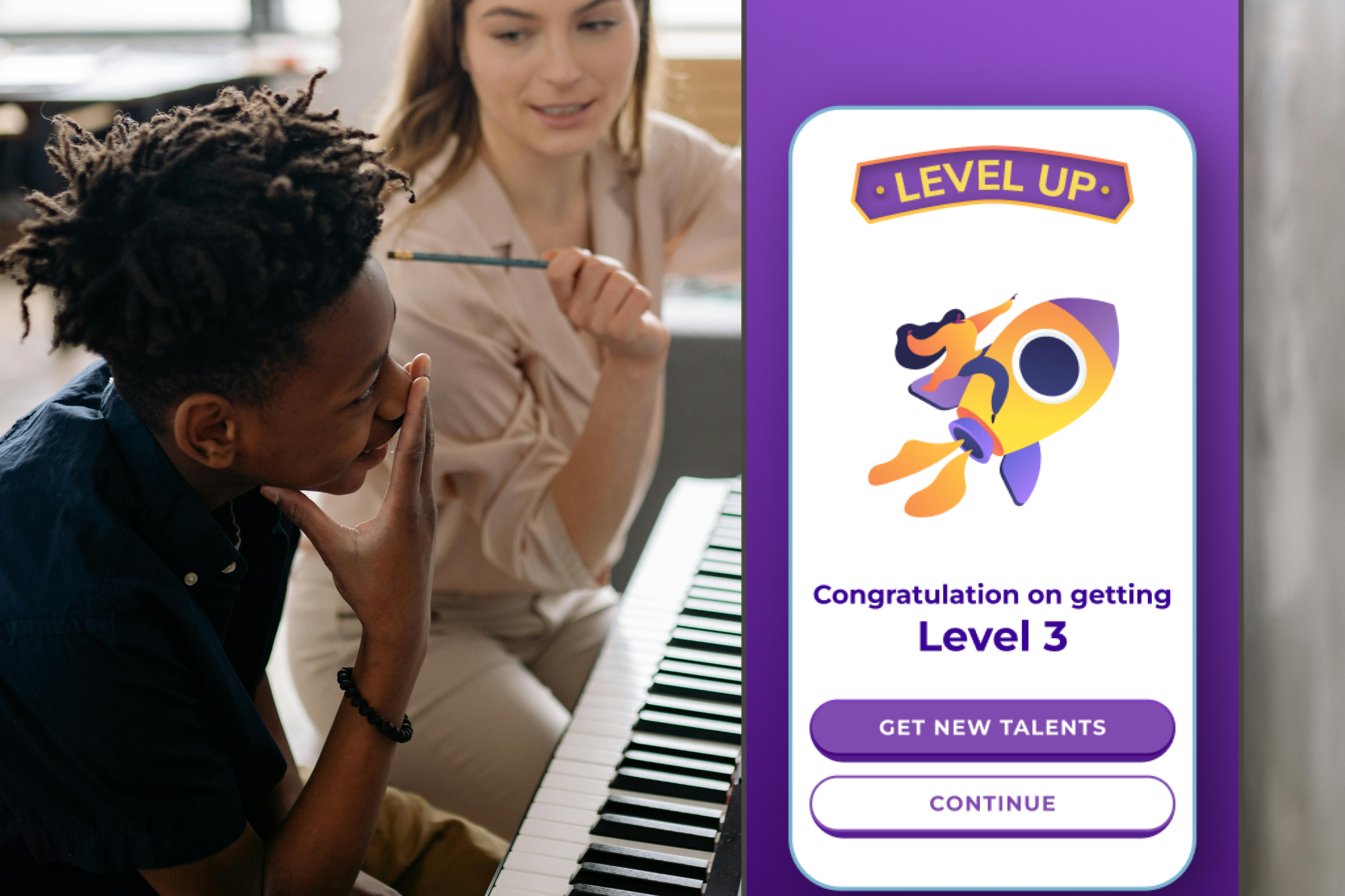
Imagine that your session of learning on YouTube is like a sea with no end, including video lessons. It’s so easy to get lost within it each time you search for something new. Dozens of videos the algorithm offers, and from one to another you switch, trying to find the “perfect” explanation. Yet herein lies the main problem: the absence of a clear structure turns the learning process into a fragmented acquaintance with the material. structured app, guided lessons, real-time feedback, progress make the difference through a guided path, structured curriculum, and lesson sequence that deliver seamless learning and time efficiency. A keyboard piano learning app is a practical tutorial alternative that provides video overload relief and focused practice.
- There is no sequence. You simply watch videos in an arbitrary order and don’t even realize that you miss some important basic topics to understand some more complex topics.
- Unchecked repetition stays. It is impossible to properly plan repetition and memorization of key points when every time a new teacher appears and topics flash chaotically.
- Progress track impossible to trace. Random lessons give no clear understanding of what level you have reached and which steps should be taken next.
For comparison, just a simple table imagine, reflecting systemic approach and YouTube’s urban chaos:
| Criteria | YouTube Lessons | Structured Application |
| Sequence | Absent | Clearly built program |
| Tracking of progress | No tracking possibility | Individual development track |
| Lesson planning | Independent and random | Automated and adaptive |
| Material repetition | Sporadic and irregular | Integrated into daily assignments |
As developers, we took into account that a clear structure cannot allow for “information overload”; it is where learning can be done gradually. It is not just a matter of convenience but the guarantee of stable and fast skill development. One cannot even imagine such a system immediately getting stuck in chaos and losing the main thing: motivation and confidence in one’s own abilities. When instead of random videos, clear routes appear—with sequential study of each important element—learning is not an endless race, but a meaningful journey to your goal. And that is just about the only thing that makes professional applications different from the great expanses of video hosting.
Lack of feedback – how to understand that you have truly mastered the material
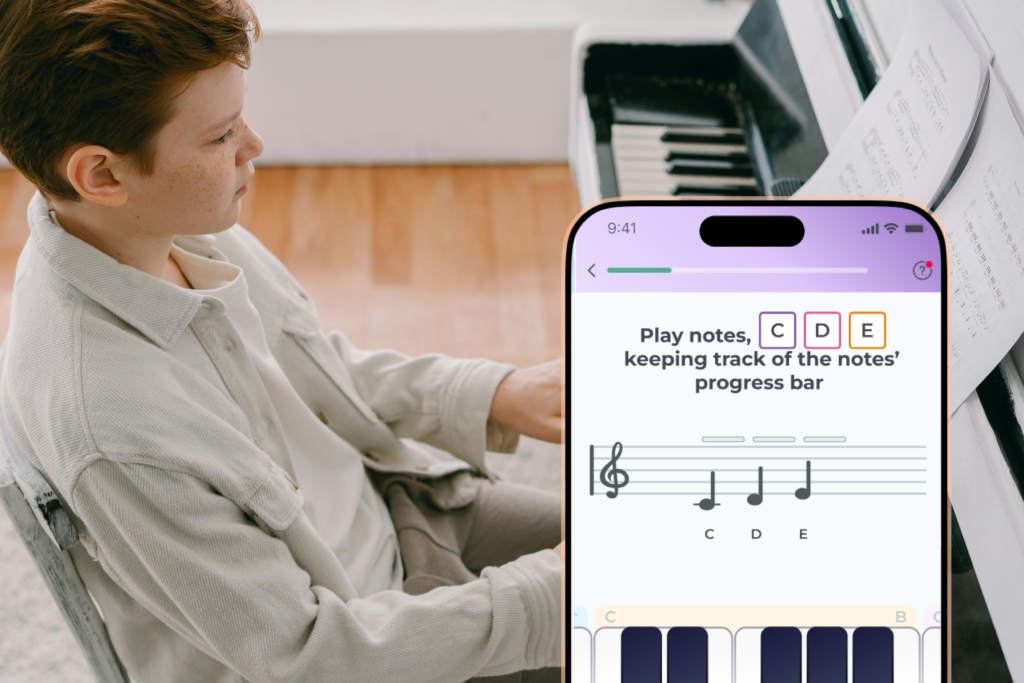
Many people use YouTube because it is an easy and free source of knowledge. Yet one of the major barriers along the road to effective learning is precisely the lack of feedback. For without understanding how correctly you have assimilated the material, the risk of getting stuck at the same level or starting to form mistakes significantly increases.
What feedback means
- Assessment of knowledge in subject matters through tests, assignments, or mini-projects;
- Analysis and correction of misunderstandings that caused errors;
- Getting recommendations for further development at the level of proficiency reached.
Without this “mirror” in learning, you are as if walking through a dark room, occasionally finding obstacles, with no notion of where the turn would be.
Why YouTube fails here
- The video format does not imply interactivity. You are a passive listener in 99% of cases and cannot check your knowledge in real time.
- No personal recommendations. While YouTube algorithms suggest videos similar to ones you have watched, they do not grade the quality of your material understanding.
- Limited ability to verify practical skills. For example, if you are studying a foreign language or programming, without feedback, there is a risk of reinforcing the wrong patterns you come across.
To this problem, structured applications are the answer: Such apps as Talented fill in this need by creating a complete learning cycle:
- interactive activities and tests that immediately show the level of your knowledge;
- instant hints and explanations of errors, so you learn from your mistakes;
- adaptive learning plans tailored to fit your pace and difficulty based on your progress.
In other words, if you are not sure how well you assimilate the material on YouTube, if the progress seems too slow or chaotic, then it is evident that the absence of feedback interferes. This should be a basis for considering changing to structured applications which will not only teach but also monitor the understanding. Here, guided lessons and real-time feedback pair with progress tracking, error correction, adaptive modules, and coherent lessons.
Questionable motivation – why independent learning on YouTube often results in abandonment
About self-improvement on YouTube: motivation is that very component that most often lets us down when it comes to mentioning it. One day, you are sitting and turning on yet another video, getting inspired, taking the first steps—and in one moment, all that energy disappears.
Why motivation collapses
- No clear goal and plan. Lives independently every video on YouTube, no coherence, no logical sequence.
- Passive content consumption. People see it more as entertainment videos, not systematic learning.
- Easy switching and distraction. One click—and on another channel or even in comments you are.
The result is the classic situation: at first, motivation is high, after some lessons it falls—and learning is abandoned.
What a structured application changes
- Goals and stages are explicit. You see where you are now, what you have mastered, and what is ahead.
- Regular reminders of successes and progress. They fuel the desire to move forward.
- Game mechanics, tasks, and challenges. They transform motivation from “someday” to “do it now and get a result.”
There is no structured approach on YouTube; it creates an atmosphere of quick loss of motivation. More desirable would be stable development without setbacks—think about switching to platforms that support daily drive with a guided path and app benefits.
Limited control of level and pace – when a personalized route is needed
Not only is it important what you learn, but how precisely you do it when studying something new. Though there are a lot of lessons on YouTube, most often they are not an orderly stream of knowledge but a collection of disconnected videos.
Why management of level and pace matters
- All difficulty levels mixed up. Without any clear structure, videos jump in difficulty and cause boredom or frustration.
- No adjustment for individual progress. Without a personal plan, you might get stuck at one stage or skip others.
- Nobody regulates the speed. The author’s delivery sets the pace, not your abilities or mood.
How structured applications return control
- An individual learning path. Created by pre-testing, aligned to your level and objectives, and automatically updated.
- Flexible pace. Stop, revisit, or accelerate as needed; change the plan anytime.
- Clear criteria for stage transitions. Each block ends with an assessment; mastery advances you, gaps trigger review and practice.
Thus, unlike chaotic video watching on YouTube, a structured app allows you to fully take the reins of the learning process. You don’t chase videos that have come upon you by accident; you follow your own route—crafted for you and only for you. This supports skill advancement and time efficiency.
Practice and repetition problems – how structured apps solve them effectively
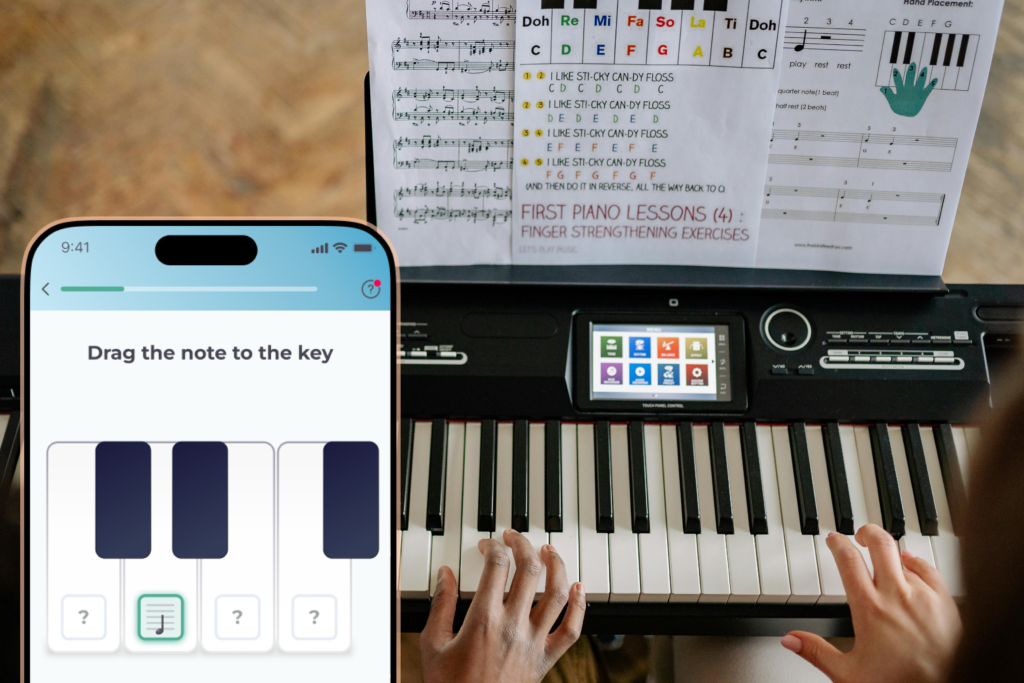
Another problem with self-education via YouTube comes from a lack of any systematic method of practice and repetition. Watching lots of videos and studying different examples looks helpful, but without a method for consolidation it leads to superficial understanding and fast forgetting.
Why practice and repetition matter
- Lack of consistent practice plan. Finding new exercises every time on your own reduces effectiveness and motivation.
- No mechanism of progress tracking. It’s difficult to see what sticks, what repeats, and what needs improvement.
- Unable to control repetition intensity. Without systematic revisiting, knowledge fades quickly.
How a structured app changes the outcome
- Personalized learning path aligned with goals and current skills.
- Structured program of practical tasks controls difficulty and repetition count.
- Built-in algorithms that time repetitions optimally for better memorization.
- Feedback and error analysis systems enabling real-time adjustments.
From chaotic YouTube viewing to using a structured app, effectiveness noticeably increases: exercises become regular and conscious, repetition is systematic and motivated, and progress becomes visible. If results are the goal, ditch YouTube for guided lessons with real-time feedback and progress tracking—the route to focused practice, lesson sequence, and seamless learning.








Post Comment